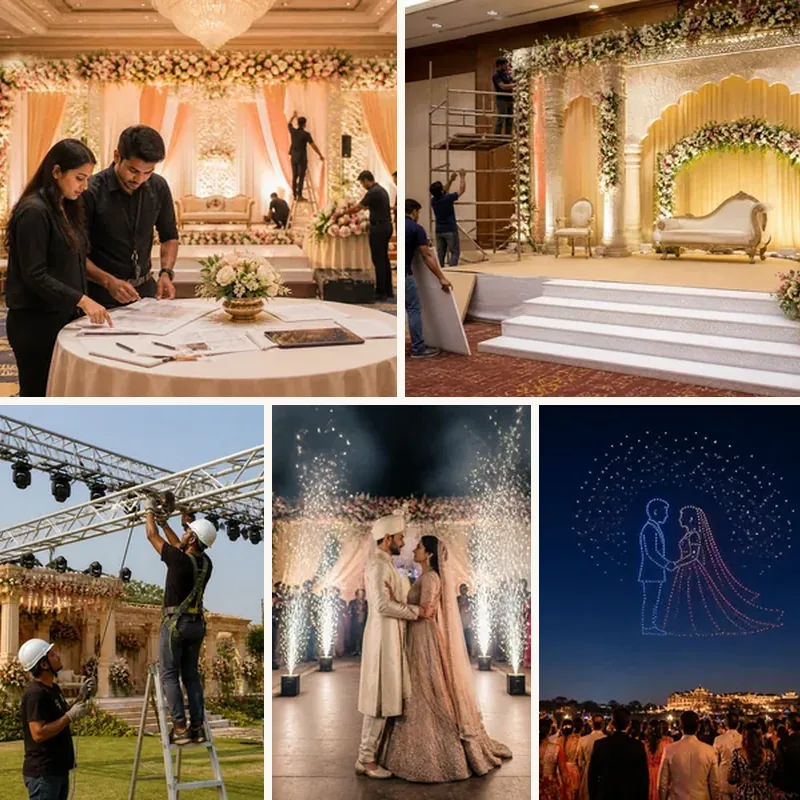
Build each ceremony around family customs, priest-led requirements, guest comfort, décor, sound and the actual run-of-show. Traditional Wedding Functions coordinated as part of a connected wedding plan, with scope, dependencies, timing, venue constraints and event-day ownership made clear. For traditional wedding functions, the most useful planning approach is to connect this decision with the rest of the wedding rather than treat it as an isolated booking. The working brief should show how Roka, engagement, mehendi, haldi affect venue feasibility, guest experience, supplier timing and the master event schedule. Families should record what has been approved, what remains optional, who owns the next decision and which other teams depend on the answer. That discipline is especially important in traditional wedding functions because late changes can create knock-on effects for setup windows, rehearsals, guest communication, logistics or production hand-offs.
Bespoke scope · Delhi NCR service area · Creative and operational details confirmed before commitment
Detailed budget planning
₹
Build this service
Mehendi & Traditional Functions: options and indicative planning ranges for Delhi NCR
Plan mehendi, haldi, engagement, sangeet, ceremony, reception and traditional family functions with appropriate décor, entertainment and coordination. The amounts below are current planning references for Delhi NCR, not fixed Kontact Us rates. Choose only the components relevant to your celebration, compare the indicative range with the amount you personally want to spend, and then move the selected items into the detailed Wedding Budget Builder. The final commercial quotation must still be confirmed after the date, venue, quantity, specification and supplier availability are known.
Mehendi Ceremony Planning
Mehendi Ceremony Planning is treated as a selectable component within Mehendi & Traditional Functions. Treat each traditional function as its own mini-event with guest count, décor, entertainment, food and ceremony requirements. What Kontact Us provides: Kontact Us will define the function brief and family requirements, coordinate relevant suppliers, and integrate setup, guest flow and ceremony timing. For Mehendi Ceremony Planning, our planning or coordination fee and the third-party supplier charge will be shown separately in the final written scope wherever applicable.
Mehendi Décor is treated as a selectable component within Mehendi & Traditional Functions. Treat each traditional function as its own mini-event with guest count, décor, entertainment, food and ceremony requirements. What Kontact Us provides: Kontact Us will define the function brief and family requirements, coordinate relevant suppliers, and integrate setup, guest flow and ceremony timing. For Mehendi Décor, our planning or coordination fee and the third-party supplier charge will be shown separately in the final written scope wherever applicable.
Mehendi Artist is treated as a selectable component within Mehendi & Traditional Functions. Treat each traditional function as its own mini-event with guest count, décor, entertainment, food and ceremony requirements. What Kontact Us provides: Kontact Us will define the function brief and family requirements, coordinate relevant suppliers, and integrate setup, guest flow and ceremony timing. For Mehendi Artist, our planning or coordination fee and the third-party supplier charge will be shown separately in the final written scope wherever applicable.
Mehendi Lounge is treated as a selectable component within Mehendi & Traditional Functions. Treat each traditional function as its own mini-event with guest count, décor, entertainment, food and ceremony requirements. What Kontact Us provides: Kontact Us will define the function brief and family requirements, coordinate relevant suppliers, and integrate setup, guest flow and ceremony timing. For Mehendi Lounge, our planning or coordination fee and the third-party supplier charge will be shown separately in the final written scope wherever applicable.
Mehendi Entertainment is treated as a selectable component within Mehendi & Traditional Functions. Treat each traditional function as its own mini-event with guest count, décor, entertainment, food and ceremony requirements. What Kontact Us provides: Kontact Us will define the function brief and family requirements, coordinate relevant suppliers, and integrate setup, guest flow and ceremony timing. For Mehendi Entertainment, our planning or coordination fee and the third-party supplier charge will be shown separately in the final written scope wherever applicable.
Mehendi Games is treated as a selectable component within Mehendi & Traditional Functions. Treat each traditional function as its own mini-event with guest count, décor, entertainment, food and ceremony requirements. What Kontact Us provides: Kontact Us will define the function brief and family requirements, coordinate relevant suppliers, and integrate setup, guest flow and ceremony timing. For Mehendi Games, our planning or coordination fee and the third-party supplier charge will be shown separately in the final written scope wherever applicable.
Mehendi Favours is treated as a selectable component within Mehendi & Traditional Functions. Treat each traditional function as its own mini-event with guest count, décor, entertainment, food and ceremony requirements. What Kontact Us provides: Kontact Us will define the function brief and family requirements, coordinate relevant suppliers, and integrate setup, guest flow and ceremony timing. For Mehendi Favours, our planning or coordination fee and the third-party supplier charge will be shown separately in the final written scope wherever applicable.
Haldi Ceremony is treated as a selectable component within Mehendi & Traditional Functions. Treat each traditional function as its own mini-event with guest count, décor, entertainment, food and ceremony requirements. What Kontact Us provides: Kontact Us will define the function brief and family requirements, coordinate relevant suppliers, and integrate setup, guest flow and ceremony timing. For Haldi Ceremony, our planning or coordination fee and the third-party supplier charge will be shown separately in the final written scope wherever applicable.
Haldi Décor is treated as a selectable component within Mehendi & Traditional Functions. Treat each traditional function as its own mini-event with guest count, décor, entertainment, food and ceremony requirements. What Kontact Us provides: Kontact Us will define the function brief and family requirements, coordinate relevant suppliers, and integrate setup, guest flow and ceremony timing. For Haldi Décor, our planning or coordination fee and the third-party supplier charge will be shown separately in the final written scope wherever applicable.
Haldi Games is treated as a selectable component within Mehendi & Traditional Functions. Treat each traditional function as its own mini-event with guest count, décor, entertainment, food and ceremony requirements. What Kontact Us provides: Kontact Us will define the function brief and family requirements, coordinate relevant suppliers, and integrate setup, guest flow and ceremony timing. For Haldi Games, our planning or coordination fee and the third-party supplier charge will be shown separately in the final written scope wherever applicable.
Haldi Entertainment is treated as a selectable component within Mehendi & Traditional Functions. Treat each traditional function as its own mini-event with guest count, décor, entertainment, food and ceremony requirements. What Kontact Us provides: Kontact Us will define the function brief and family requirements, coordinate relevant suppliers, and integrate setup, guest flow and ceremony timing. For Haldi Entertainment, our planning or coordination fee and the third-party supplier charge will be shown separately in the final written scope wherever applicable.
Tilak Ceremony is treated as a selectable component within Mehendi & Traditional Functions. Treat each traditional function as its own mini-event with guest count, décor, entertainment, food and ceremony requirements. What Kontact Us provides: Kontact Us will define the function brief and family requirements, coordinate relevant suppliers, and integrate setup, guest flow and ceremony timing. For Tilak Ceremony, our planning or coordination fee and the third-party supplier charge will be shown separately in the final written scope wherever applicable.
Roka Ceremony is treated as a selectable component within Mehendi & Traditional Functions. Treat each traditional function as its own mini-event with guest count, décor, entertainment, food and ceremony requirements. What Kontact Us provides: Kontact Us will define the function brief and family requirements, coordinate relevant suppliers, and integrate setup, guest flow and ceremony timing. For Roka Ceremony, our planning or coordination fee and the third-party supplier charge will be shown separately in the final written scope wherever applicable.
Sagai / Engagement is treated as a selectable component within Mehendi & Traditional Functions. Treat each traditional function as its own mini-event with guest count, décor, entertainment, food and ceremony requirements. What Kontact Us provides: Kontact Us will define the function brief and family requirements, coordinate relevant suppliers, and integrate setup, guest flow and ceremony timing. For Sagai / Engagement, our planning or coordination fee and the third-party supplier charge will be shown separately in the final written scope wherever applicable.
Ring Ceremony is treated as a selectable component within Mehendi & Traditional Functions. Treat each traditional function as its own mini-event with guest count, décor, entertainment, food and ceremony requirements. What Kontact Us provides: Kontact Us will define the function brief and family requirements, coordinate relevant suppliers, and integrate setup, guest flow and ceremony timing. For Ring Ceremony, our planning or coordination fee and the third-party supplier charge will be shown separately in the final written scope wherever applicable.
Cocktail Party is treated as a selectable component within Mehendi & Traditional Functions. Treat each traditional function as its own mini-event with guest count, décor, entertainment, food and ceremony requirements. What Kontact Us provides: Kontact Us will define the function brief and family requirements, coordinate relevant suppliers, and integrate setup, guest flow and ceremony timing. For Cocktail Party, our planning or coordination fee and the third-party supplier charge will be shown separately in the final written scope wherever applicable.
Sangeet is treated as a selectable component within Mehendi & Traditional Functions. Treat each traditional function as its own mini-event with guest count, décor, entertainment, food and ceremony requirements. What Kontact Us provides: Kontact Us will define the function brief and family requirements, coordinate relevant suppliers, and integrate setup, guest flow and ceremony timing. For Sangeet, our planning or coordination fee and the third-party supplier charge will be shown separately in the final written scope wherever applicable.
Wedding Ceremony is treated as a selectable component within Mehendi & Traditional Functions. Treat each traditional function as its own mini-event with guest count, décor, entertainment, food and ceremony requirements. What Kontact Us provides: Kontact Us will define the function brief and family requirements, coordinate relevant suppliers, and integrate setup, guest flow and ceremony timing. For Wedding Ceremony, our planning or coordination fee and the third-party supplier charge will be shown separately in the final written scope wherever applicable.
Reception is treated as a selectable component within Mehendi & Traditional Functions. Treat each traditional function as its own mini-event with guest count, décor, entertainment, food and ceremony requirements. What Kontact Us provides: Kontact Us will define the function brief and family requirements, coordinate relevant suppliers, and integrate setup, guest flow and ceremony timing. For Reception, our planning or coordination fee and the third-party supplier charge will be shown separately in the final written scope wherever applicable.
Vidaai is treated as a selectable component within Mehendi & Traditional Functions. Treat each traditional function as its own mini-event with guest count, décor, entertainment, food and ceremony requirements. What Kontact Us provides: Kontact Us will define the function brief and family requirements, coordinate relevant suppliers, and integrate setup, guest flow and ceremony timing. For Vidaai, our planning or coordination fee and the third-party supplier charge will be shown separately in the final written scope wherever applicable.
Post-Wedding Brunch is treated as a selectable component within Mehendi & Traditional Functions. Treat each traditional function as its own mini-event with guest count, décor, entertainment, food and ceremony requirements. What Kontact Us provides: Kontact Us will define the function brief and family requirements, coordinate relevant suppliers, and integrate setup, guest flow and ceremony timing. For Post-Wedding Brunch, our planning or coordination fee and the third-party supplier charge will be shown separately in the final written scope wherever applicable.
Indicative market planning ranges researched/derived for Delhi NCR as of 2026-08-16. Taxes, travel, official fees, alcohol/beverage procurement, venue inclusions and supplier-specific terms may be additional. See the calculator methodology and source notes before relying on an estimate.
GST Registered company20 years of experience
End-to-end coordinationPlanning, vendors, guests & production
Scope defined before commitmentServices, responsibilities & dependencies mapped before confirmation
Planning guidance
✦
Concept · Traditional Wedding Functions
Protect Ritual Meaning While Managing Flow
Each function has a different emotional and operational rhythm. Planning should respect family customs while clearly documenting ceremony sequence, participants, materials, music cues and guest expectations. For traditional wedding functions, the working brief should explicitly cover family customs and ceremony sequence, priest/officiant requirements, ritual materials and setup, and mandap/seating/sound needs. The purpose is not to add more suppliers or decorative layers; it is to make sure the service solves a defined wedding need and can be executed within the venue, guest plan and master timeline. Decisions should be written at the level vendors can act on: quantities, timings, dimensions, responsibilities, approvals and fallbacks where relevant. The planner should also identify which other teams depend on this service, because traditional wedding functions can affect photography, hospitality, catering, production, transport or ceremony timing. A strong concept therefore combines experience design with operational clarity before money is committed.
Each function has a different emotional and operational rhythm. Planning should respect family customs while clearly documenting ceremony sequence, participants, materials, music cues and guest expectations. The exact scope should remain quotation-led and wedding-specific. Dates, city, venue conditions, number of functions, guest count, existing bookings and the level of coordination required can all change the effort involved, so the website does not invent a universal package, response time or guaranteed outcome. Before sign-off, check the decision from the guest, family and vendor perspectives. Ask whether the plan is understandable, whether responsibilities are explicit, whether a realistic fallback exists, and whether the event-day team can execute the instruction without depending on private assumptions or scattered chat messages.
For a wedding project, this work should produce clear decisions, owners and deadlines—not just a list of suppliers. The objective is to protect the couple and family from coordination gaps while keeping creative choices connected to operational reality. For traditional wedding functions, the most useful planning approach is to connect this decision with the rest of the wedding rather than treat it as an isolated booking. The working brief should show how Roka, engagement, mehendi, haldi affect venue feasibility, guest experience, supplier timing and the master event schedule. Families should record what has been approved, what remains optional, who owns the next decision and which other teams depend on the answer. That discipline is especially important in traditional wedding functions because late changes can create knock-on effects for setup windows, rehearsals, guest communication, logistics or production hand-offs.
Typical planning outcomes
Defined scope and responsibility
Decision and approval checkpoints
Dependencies on venue, production and guest plans
Vendor hand-offs and event-day ownership
Contingency items recorded before execution
Planning guidance
◇
Scope · Traditional Wedding Functions
The traditional wedding functions workstream, from brief to handover
The practical scope for traditional wedding functions may include Roka, engagement, mehendi, haldi, sangeet, wedding ceremony, reception, vidaai, traditional décor, games and entertainment. The final list should be built from the actual functions, venue, guest profile and responsibilities already assigned to other suppliers. The planner should separate must-have deliverables from optional enhancements, identify what the venue already provides, and record exclusions so two vendors are not pricing or assuming the same task. Particular attention should be given to family customs and ceremony sequence, priest/officiant requirements, ritual materials and setup, mandap/seating/sound needs, family call-times, and guest communication and meal timing. Where the service crosses into a regulated, venue-controlled or specialist area, the responsible supplier or authority should be confirmed rather than assumed. This scope-first approach makes quotations comparable and gives the event-day team a usable definition of what has been promised.
01
Roka
Confirm the exact requirement, quantity, timing and ownership in the wedding brief. During the roka stage, use one current source of truth for timings, contacts, versions and approvals. This reduces contradictory instructions between family members, venue teams and specialist suppliers and makes it easier to identify a missing dependency before it becomes an event-day problem.
02
Engagement
Confirm the exact requirement, quantity, timing and ownership in the wedding brief. A practical review should also distinguish creative preference from operational requirement. Inspiration can guide the look and experience, but final decisions still need dimensions, quantities, access information, supplier responsibility, venue rules and a clear approval path before execution.
03
Mehendi
Confirm the exact requirement, quantity, timing and ownership in the wedding brief. During the mehendi stage, use one current source of truth for timings, contacts, versions and approvals. This reduces contradictory instructions between family members, venue teams and specialist suppliers and makes it easier to identify a missing dependency before it becomes an event-day problem.
04
Haldi
Confirm the exact requirement, quantity, timing and ownership in the wedding brief. Before sign-off, check the decision from the guest, family and vendor perspectives. Ask whether the plan is understandable, whether responsibilities are explicit, whether a realistic fallback exists, and whether the event-day team can execute the instruction without depending on private assumptions or scattered chat messages.
05
Sangeet
Confirm the exact requirement, quantity, timing and ownership in the wedding brief. During the sangeet stage, use one current source of truth for timings, contacts, versions and approvals. This reduces contradictory instructions between family members, venue teams and specialist suppliers and makes it easier to identify a missing dependency before it becomes an event-day problem.
06
Wedding Ceremony
Confirm the exact requirement, quantity, timing and ownership in the wedding brief. Families should record what has been approved, what remains optional, who owns the next decision and which other teams depend on the answer. That discipline is especially important in traditional wedding functions because late changes can create knock-on effects for setup windows, rehearsals, guest communication, logistics or production hand-offs.
07
Reception
Confirm the exact requirement, quantity, timing and ownership in the wedding brief. For traditional wedding functions, the most useful planning approach is to connect this decision with the rest of the wedding rather than treat it as an isolated booking. The working brief should show how Roka, engagement, mehendi, haldi affect venue feasibility, guest experience, supplier timing and the master event schedule.
08
Vidaai
Confirm the exact requirement, quantity, timing and ownership in the wedding brief. Families should record what has been approved, what remains optional, who owns the next decision and which other teams depend on the answer. That discipline is especially important in traditional wedding functions because late changes can create knock-on effects for setup windows, rehearsals, guest communication, logistics or production hand-offs.
Planning checkpoint
Planning guidance
✓
Dependencies · Traditional Wedding Functions
What must be confirmed before traditional wedding functions execution
Before suppliers execute traditional wedding functions, lock the decisions that have the greatest downstream effect: family customs and ceremony sequence, priest/officiant requirements, ritual materials and setup, mandap/seating/sound needs, family call-times, and guest communication and meal timing. Each item should have a named decision owner, an approval status and a date by which later teams need the answer. The planner should then map dependencies—for example, one approval may affect layout, transport, stage cues, catering quantities, guest communication or photography timing. Changes after that point are still possible, but they should be treated as controlled changes with visible impact rather than informal messages. This is especially important on multi-day weddings where one late decision can affect several functions. The aim is not bureaucracy; it is to prevent vendors from working from different versions of the same wedding.
Decision
Why it matters
What to confirm
Scope
Prevents responsibility gaps
Included work, exclusions, approvals and handover
Timing
Connects this service to the master schedule
Setup, rehearsal, guest-facing and strike windows
Dependencies
Reduces late redesign
Venue, production, guest, artist and catering inputs
Commercials
Controls change requests
Quotation basis, payment stages and change approval
Planning guidance
→
Process · Traditional Wedding Functions
The traditional wedding functions workflow from brief to handover
A useful traditional wedding functions workflow moves through five clear stages: Document family-specific customs, Confirm ceremony sequence with officiant, Map materials, décor and participants, Integrate ritual timings with guests/food/photo, and Run call-times and handover with family coordinators. At each stage, the team should capture approvals, open questions and hand-offs rather than depending on memory. The first stage establishes what the family actually needs; the middle stages translate that need into supplier-ready scope and venue-compatible detail; the final stages integrate the service into the master run-of-show and confirm who owns execution. Where a rehearsal, tasting, site survey, proof, technical test or mock-up is relevant, it should happen early enough to change the plan without creating unnecessary rush costs. The output of the process is not merely a presentation—it is a set of instructions that the wedding team can execute consistently.
Document family-specific customs
Capture the event format, guest profile, priorities, venue status and known constraints. Families should record what has been approved, what remains optional, who owns the next decision and which other teams depend on the answer. That discipline is especially important in traditional wedding functions because late changes can create knock-on effects for setup windows, rehearsals, guest communication, logistics or production hand-offs.
Confirm ceremony sequence with officiant
Identify what must be approved first and which teams rely on the same information. A practical review should also distinguish creative preference from operational requirement. Inspiration can guide the look and experience, but final decisions still need dimensions, quantities, access information, supplier responsibility, venue rules and a clear approval path before execution.
Map materials, décor and participants
Document scope, dates, quantities, access requirements and owner for every hand-off. Families should record what has been approved, what remains optional, who owns the next decision and which other teams depend on the answer. That discipline is especially important in traditional wedding functions because late changes can create knock-on effects for setup windows, rehearsals, guest communication, logistics or production hand-offs.
Integrate ritual timings with guests/food/photo
Place rehearsals, setup, guest movement and execution cues into one operational schedule. The exact scope should remain quotation-led and wedding-specific. Dates, city, venue conditions, number of functions, guest count, existing bookings and the level of coordination required can all change the effort involved, so the website does not invent a universal package, response time or guaranteed outcome.
Run call-times and handover with family coordinators
Review open items, contingency actions and the post-event responsibility for settlement or return. During the close with checks and handover stage, use one current source of truth for timings, contacts, versions and approvals. This reduces contradictory instructions between family members, venue teams and specialist suppliers and makes it easier to identify a missing dependency before it becomes an event-day problem.
Planning guidance
♡
Experience · Traditional Wedding Functions
Design the traditional wedding functions experience for real guests and families
Families benefit most from structured traditional wedding functions when the wedding contains multiple functions, several decision-makers, significant guest movement or a high level of design and production detail. The service should be planned around the people who experience it: the couple, close family, outstation guests, elderly guests, children, VIPs, artists and vendors may each have different timing or access needs. For this service, the experience is shaped particularly by family customs and ceremony sequence, priest/officiant requirements, ritual materials and setup, and mandap/seating/sound needs. Rather than assuming a standard package, the planner should ask what the family wants guests to notice, what must feel effortless, and where delays or confusion would be most visible. Those answers guide priorities, staffing, sequencing and the level of contingency that the final plan requires.
Couples planning multiple functions
Useful when one decision affects several ceremonies, suppliers or family groups. Families should record what has been approved, what remains optional, who owns the next decision and which other teams depend on the answer. That discipline is especially important in traditional wedding functions because late changes can create knock-on effects for setup windows, rehearsals, guest communication, logistics or production hand-offs.
Families coordinating vendors
Useful when responsibilities need to be centralised instead of being split across informal chats. During the families coordinating vendors stage, use one current source of truth for timings, contacts, versions and approvals. This reduces contradictory instructions between family members, venue teams and specialist suppliers and makes it easier to identify a missing dependency before it becomes an event-day problem.
Outstation guest weddings
Useful when timing, rooms, transport and communication need to connect with the event plan. The exact scope should remain quotation-led and wedding-specific. Dates, city, venue conditions, number of functions, guest count, existing bookings and the level of coordination required can all change the effort involved, so the website does not invent a universal package, response time or guaranteed outcome.
High-production celebrations
Useful when décor, technical production, artists or special experiences create additional dependencies. For traditional wedding functions, the most useful planning approach is to connect this decision with the rest of the wedding rather than treat it as an isolated booking. The working brief should show how Roka, engagement, mehendi, haldi affect venue feasibility, guest experience, supplier timing and the master event schedule.
Planning guidance
★
Quality · Traditional Wedding Functions
Quality gates for traditional wedding functions before sign-off
Quality control for traditional wedding functions should focus on practical evidence rather than broad claims. Before sign-off, verify ritual sequence confirmed by family/officiant, materials checklist assigned, key family participants know call-times, and photo/sound teams understand sacred moments. The team should also review whether the latest approved version has reached every vendor who depends on it, whether venue restrictions are reflected in the plan, and whether a realistic fallback exists for critical elements. Where specialist safety, engineering, legal or food-service responsibilities apply, the appropriate vendor, venue team or qualified professional must own those checks; a wedding planner should coordinate them, not pretend to replace technical authority. The final question is simple: could another competent event lead pick up the file and understand what is happening, who is responsible and what to do if the preferred plan changes?
Ritual sequence confirmed by family/officiant
Key dates, approvals and vendor responsibilities should not depend on multiple conflicting chat threads. The exact scope should remain quotation-led and wedding-specific. Dates, city, venue conditions, number of functions, guest count, existing bookings and the level of coordination required can all change the effort involved, so the website does not invent a universal package, response time or guaranteed outcome.
Materials checklist assigned
Do not assume access, power, sound, rigging, catering or effect rules without venue confirmation. A practical review should also distinguish creative preference from operational requirement. Inspiration can guide the look and experience, but final decisions still need dimensions, quantities, access information, supplier responsibility, venue rules and a clear approval path before execution.
Key family participants know call-times
Weather, delays, artist changes, guest movement and technical fallback should each have a responsible owner. The exact scope should remain quotation-led and wedding-specific. Dates, city, venue conditions, number of functions, guest count, existing bookings and the level of coordination required can all change the effort involved, so the website does not invent a universal package, response time or guaranteed outcome.
Photo/sound teams understand sacred moments
Keep supplier references, deliverables and approvals documented so decisions can be checked against the agreed scope. During the evidence before claims stage, use one current source of truth for timings, contacts, versions and approvals. This reduces contradictory instructions between family members, venue teams and specialist suppliers and makes it easier to identify a missing dependency before it becomes an event-day problem.
Planning guidance
₹
Investment · Traditional Wedding Functions
What changes the traditional wedding functions quotation
The cost and coordination effort for traditional wedding functions can change materially with number of rituals/functions, custom décor/materials, officiant requirements, participant count, ceremony duration, and special cultural suppliers. Kontact Us therefore keeps this service quotation-led rather than publishing a fictional one-price package. A useful enquiry should provide the wedding dates, city and venue status, number of functions, guest count, desired experience level and any suppliers already booked. The planner can then identify which cost drivers are essential, which are optional enhancements and which depend on venue or third-party confirmation. Comparing quotations should also be based on matched scope, because a lower headline figure may exclude crew, transport, setup time, equipment, taxes, permissions or post-event work that another supplier has included. Budget clarity is strongest when assumptions are visible before commitment.
No business-specific package price is published because pricing information remains unverified. For traditional wedding functions, quotation complexity can legitimately change with event count, guest scale, venue rules, travel, production intensity, specialist suppliers, access windows and the number of revisions or rehearsals required. A practical review should also distinguish creative preference from operational requirement. Inspiration can guide the look and experience, but final decisions still need dimensions, quantities, access information, supplier responsibility, venue rules and a clear approval path before execution. During the useful information for a quotation stage, use one current source of truth for timings, contacts, versions and approvals. This reduces contradictory instructions between family members, venue teams and specialist suppliers and makes it easier to identify a missing dependency before it becomes an event-day problem.
Useful information for a quotation
Number of rituals/functions
Custom décor/materials
Officiant requirements
Participant count
Ceremony duration
Special cultural suppliers
Service visuals
◉
Visual · Traditional Wedding Functions
See how traditional wedding functions becomes part of the wedding experience
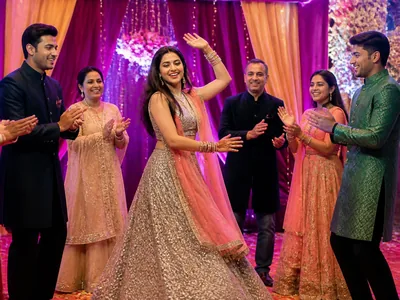
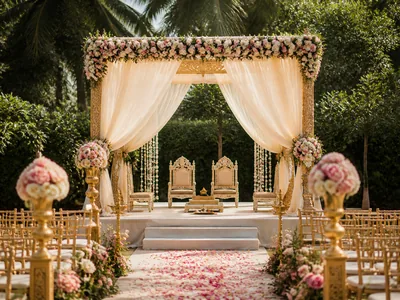
The visual treatment of traditional wedding functions should communicate the service itself rather than relying on generic wedding photography. For this page, planned imagery focuses on family customs and ceremony sequence, priest/officiant requirements, and ritual materials and setup so visitors can understand what is being designed or coordinated. In the real wedding, visual decisions must still be tested against the venue, timing and guest journey. A beautiful idea that blocks circulation, cannot be installed within the available window, conflicts with another vendor, or depends on an unverified permission is not yet an executable plan. The planner’s design review should therefore connect what guests will see with what the supplier team must build, deliver, operate or hand over, preserving both the aesthetic intent and the practical constraints of the celebration.
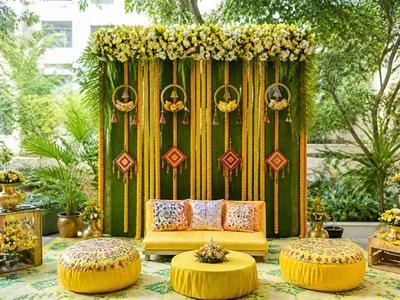
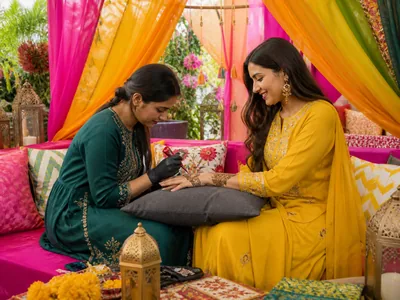
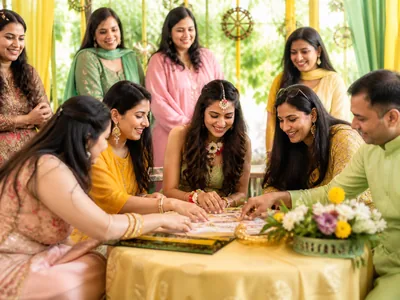
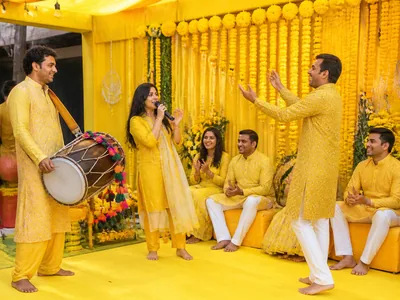
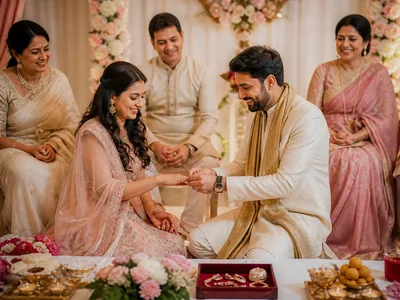
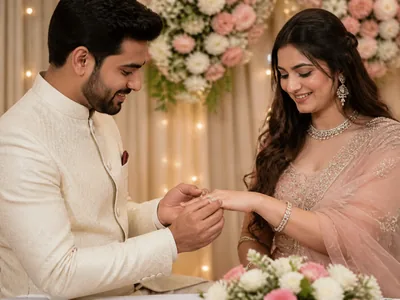
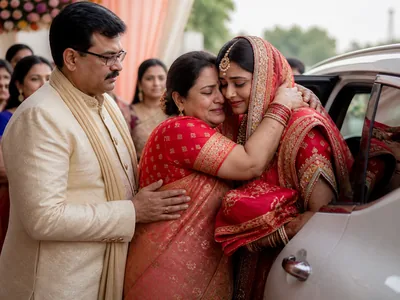
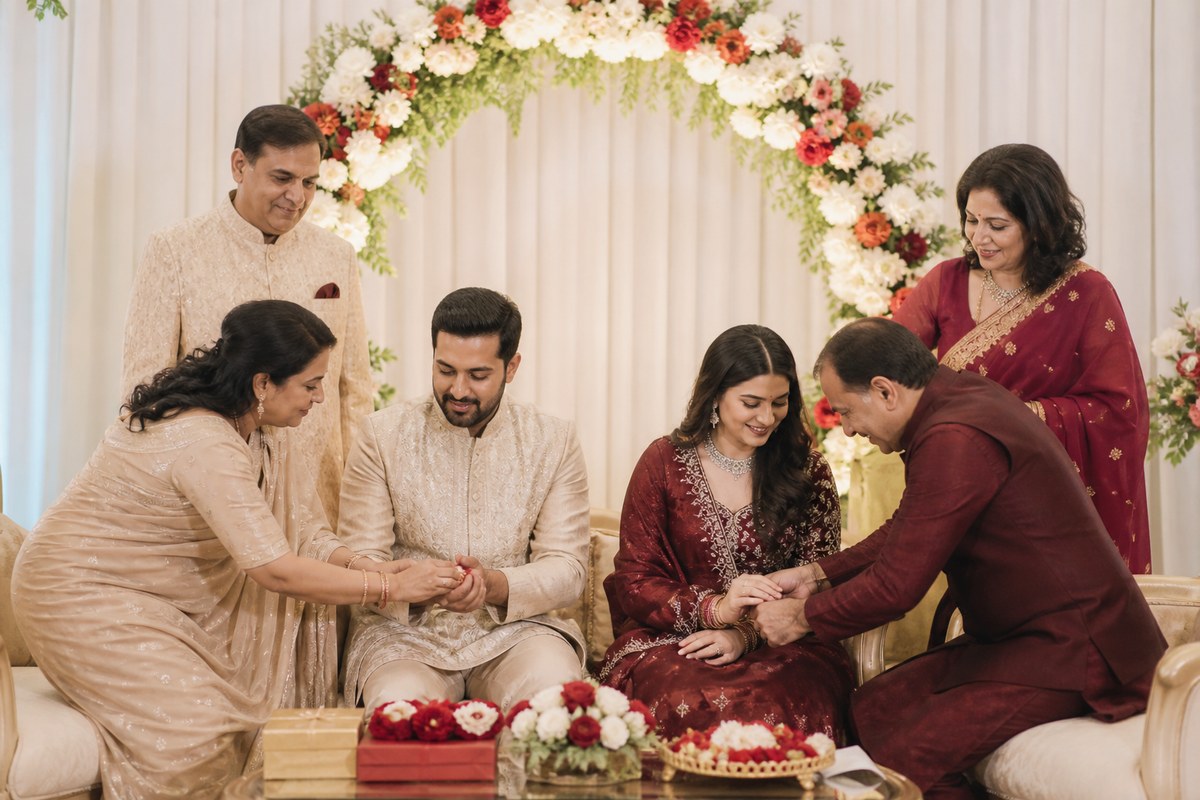
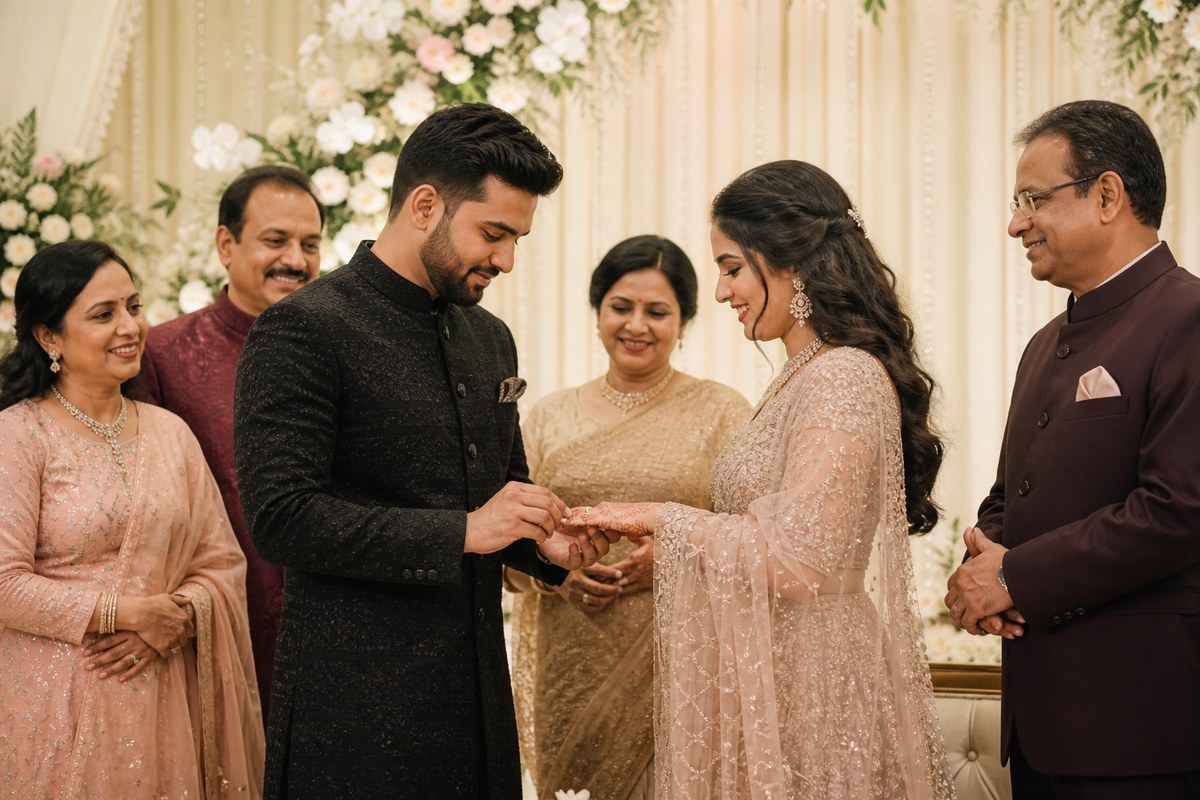
Planned editorial photograph for roka within traditional wedding functions; it must remain a generic service visual and must not be presented as a real Kontact Us client project.Planned editorial photograph for engagement within traditional wedding functions; it must remain a generic service visual and must not be presented as a real Kontact Us client project.
Questions
?
Faq · Traditional Wedding Functions
Questions families ask about traditional wedding functions
This part of the traditional wedding functions plan focuses on questions families ask about traditional wedding functions with service-specific decisions rather than a generic wedding checklist. The team should connect family customs and ceremony sequence, priest/officiant requirements and ritual materials and setup to the actual functions, venue conditions, family approvals and master timeline. Where another vendor depends on the same information, the approved version should be shared through the central planning file so décor, hospitality, catering, photography, entertainment or production are not working from different assumptions. The planner should also record what the venue or specialist supplier controls, what remains optional, and which change would affect budget or setup timing. A final review should confirm ritual sequence confirmed by family/officiant and materials checklist assigned, then identify the named person responsible for event-day handover or contingency action.
What should be included in a traditional wedding functions brief?
A useful brief defines the functions, venue conditions, timings, quantities and ownership required for this service. For traditional wedding functions, typical scope can include Roka, engagement, mehendi, haldi, sangeet, wedding ceremony, reception, vidaai, traditional décor, games and entertainment. The final brief should distinguish inclusions, exclusions, venue-provided items and decisions still pending so suppliers price and execute the same requirement. A serious wedding file should turn this point into an executable instruction. Add a timing, responsible person, dependency and confirmation status, then identify the fallback where the preferred option could fail because of venue access, weather, availability or another operational constraint. Optional enhancements should remain separate from committed essentials so late creative choices do not silently become production obligations. The purpose is not to make planning bureaucratic; it is to ensure that the couple, family and vendors are making decisions from the same current information when the celebration moves from planning meetings into live execution.
Which decisions should be frozen early for traditional wedding functions?
Freeze the decisions that other teams depend on first. For this service those include family customs and ceremony sequence, priest/officiant requirements, ritual materials and setup, and mandap/seating/sound needs. Changes can still be made later, but the planner should record their effect on suppliers, schedule, budget and guest experience rather than treating them as isolated messages. Before final approval, the family and planning lead should record the current version, the execution owner, any venue dependency, the supplier that must act on the decision and the latest point at which a change can be absorbed without disturbing the wider wedding. Where another workstream depends on the same information, the update should be reflected in the master timeline or responsibility matrix rather than left inside a private message thread. This keeps the service connected to the whole celebration and gives the event-day team a reliable instruction if conditions change.
How does traditional wedding functions connect with other wedding teams?
Traditional Wedding Functions can affect or depend on other workstreams. The planner should map hand-offs with venue management, hospitality, production, photography, catering, transport or ceremony teams wherever relevant, then include those dependencies in the master timeline and run-of-show. A serious wedding file should turn this point into an executable instruction. Add a timing, responsible person, dependency and confirmation status, then identify the fallback where the preferred option could fail because of venue access, weather, availability or another operational constraint. Optional enhancements should remain separate from committed essentials so late creative choices do not silently become production obligations. The purpose is not to make planning bureaucratic; it is to ensure that the couple, family and vendors are making decisions from the same current information when the celebration moves from planning meetings into live execution.
What changes the quotation for traditional wedding functions?
The quotation can change with number of rituals/functions, custom décor/materials, officiant requirements, participant count, ceremony duration, and special cultural suppliers. Because these factors vary by wedding, the website does not publish an invented fixed package. Comparable quotations should use matched scope and clearly show equipment, staff, setup, travel, taxes or other inclusions where applicable. Before final approval, the family and planning lead should record the current version, the execution owner, any venue dependency, the supplier that must act on the decision and the latest point at which a change can be absorbed without disturbing the wider wedding. Where another workstream depends on the same information, the update should be reflected in the master timeline or responsibility matrix rather than left inside a private message thread. This keeps the service connected to the whole celebration and gives the event-day team a reliable instruction if conditions change.
When should traditional wedding functions be reviewed before event day?
Review should happen before the service becomes difficult or expensive to change, then again near execution. The final check should verify ritual sequence confirmed by family/officiant, materials checklist assigned, key family participants know call-times, and photo/sound teams understand sacred moments and confirm that the latest approved information has reached the teams who must act on it. A serious wedding file should turn this point into an executable instruction. Add a timing, responsible person, dependency and confirmation status, then identify the fallback where the preferred option could fail because of venue access, weather, availability or another operational constraint. Optional enhancements should remain separate from committed essentials so late creative choices do not silently become production obligations. The purpose is not to make planning bureaucratic; it is to ensure that the couple, family and vendors are making decisions from the same current information when the celebration moves from planning meetings into live execution.
Continue planning
↗
Related · Traditional Wedding Functions
Where traditional wedding functions connects with the wider wedding plan
Traditional Wedding Functions works best when it is connected to the rest of the wedding rather than purchased in isolation. The most important interfaces typically involve family customs and ceremony sequence, priest/officiant requirements, and ritual materials and setup, while timing and guest impact may also connect the service to planning management, venue coordination, hospitality, photography and production. Related-page links on this site are therefore intended to help families see those dependencies and decide whether they need one specialist service or a broader planning solution. The enquiry form carries the landing page and requested service into the lead record so the discussion starts with context. Final availability, supplier selection, commercial terms and wedding-specific feasibility remain subject to the actual brief and are never inferred simply because a service page exists.
The planner’s core job is to turn many interdependent decisions into one controlled plan. Scope, approvals, dependencies and hand-offs should be visible early so the family knows what is decided, what is pending and who owns each action. For traditional wedding functions, the most useful planning approach is to connect this decision with the rest of the wedding rather than treat it as an isolated booking.
Hospitality is often the part guests remember most Arrival data room allocation transport special needs family contacts and event updates should live in a controlled guest-management workflow Before sign-off check the decision from the guest family and vendor perspectives Ask whether the plan is understandable whether responsibilities are explicit whether a realistic fallback exists and whether the event-day team can execute the instruction without depending on private assumptions.
Production plans should translate creative drawings into buildable schedules with load calculations, access windows, crew calls, testing, safety responsibilities and strike plans. Families should record what has been approved, what remains optional, who owns the next decision and which other teams depend on the answer. Confirm power, rigging, control positions, rehearsals, cue ownership and safe backup arrangements with the venue and technical team.
Bring traditional wedding functions into one coherent wedding plan
This part of the traditional wedding functions plan focuses on bring traditional wedding functions into one coherent wedding plan with service-specific decisions rather than a generic wedding checklist. The team should connect family customs and ceremony sequence, priest/officiant requirements and ritual materials and setup to the actual functions, venue conditions, family approvals and master timeline. Where another vendor depends on the same information, the approved version should be shared through the central planning file so décor, hospitality, catering, photography, entertainment or production are not working from different assumptions. The planner should also record what the venue or specialist supplier controls, what remains optional, and which change would affect budget or setup timing. A final review should confirm ritual sequence confirmed by family/officiant and materials checklist assigned, then identify the named person responsible for event-day handover or contingency action.
Traditional functions are anchored in family customs and ceremony order. Capture the exact ritual sequence, participants, materials, family responsibilities and music expectations before décor or show cues are locked. Families should record what has been approved, what remains optional, who owns the next decision and which other teams depend on the answer. That discipline is especially important in traditional wedding functions because late changes can create knock-on effects for setup windows, rehearsals, guest communication, logistics or production hand-offs. A practical review should also distinguish creative preference from operational requirement. Inspiration can guide the look and experience, but final decisions still need dimensions, quantities, access information, supplier responsibility, venue rules and a clear approval path before execution.
A mehendi or haldi function may feel informal, while the wedding ceremony may require precise family positioning and material readiness. Treat each function according to its own ceremonial rhythm rather than copying one event run sheet across the celebration. The exact scope should remain quotation-led and wedding-specific. Dates, city, venue conditions, number of functions, guest count, existing bookings and the level of coordination required can all change the effort involved, so the website does not invent a universal package, response time or guaranteed outcome. Before sign-off, check the decision from the guest, family and vendor perspectives. Ask whether the plan is understandable, whether responsibilities are explicit, whether a realistic fallback exists, and whether the event-day team can execute the instruction without depending on private assumptions or scattered chat messages.
Ceremony briefing
Ritual sequence and expected duration
Family members participating
Ceremony materials and who brings them
Photography access and sensitive moments
Music or announcement cues
Transition to food, entertainment or next function
Planning guidance
Function-to-function continuity
Across roka, mehendi, haldi, sangeet, ceremony and reception, reuse guest information and transport data but do not assume décor, stage, sound or timing needs remain identical. The planning team should decide what infrastructure can genuinely be reused and what must be reset between functions. During the function-to-function continuity stage, use one current source of truth for timings, contacts, versions and approvals. This reduces contradictory instructions between family members, venue teams and specialist suppliers and makes it easier to identify a missing dependency before it becomes an event-day problem. The exact scope should remain quotation-led and wedding-specific. Dates, city, venue conditions, number of functions, guest count, existing bookings and the level of coordination required can all change the effort involved, so the website does not invent a universal package, response time or guaranteed outcome.
Enquiry
Tell us what you are planning
Share the essentials first. We use a Submission ID so your WhatsApp confirmation can be matched to the form record. A planner should also test this item from three perspectives: what the family expects, what guests will experience and what the supplier team can actually deliver. If those three views are not aligned, the brief needs another round of clarification before deposits, fabrication, ordering or event-day call sheets are finalized. The venue’s own rules and specialist professional responsibilities remain important boundaries; coordination does not replace technical, legal, food-safety, engineering or security authority where those apply. The purpose of the planning layer is to connect these responsibilities so the wedding does not depend on hidden assumptions at the moment of execution.
No package price is assumed before scope is understood.
Destination requests outside Delhi, Gurugram, Noida and Faridabad are confirmed individually before scope is committed.
After submission, WhatsApp opens so you can confirm the enquiry directly.