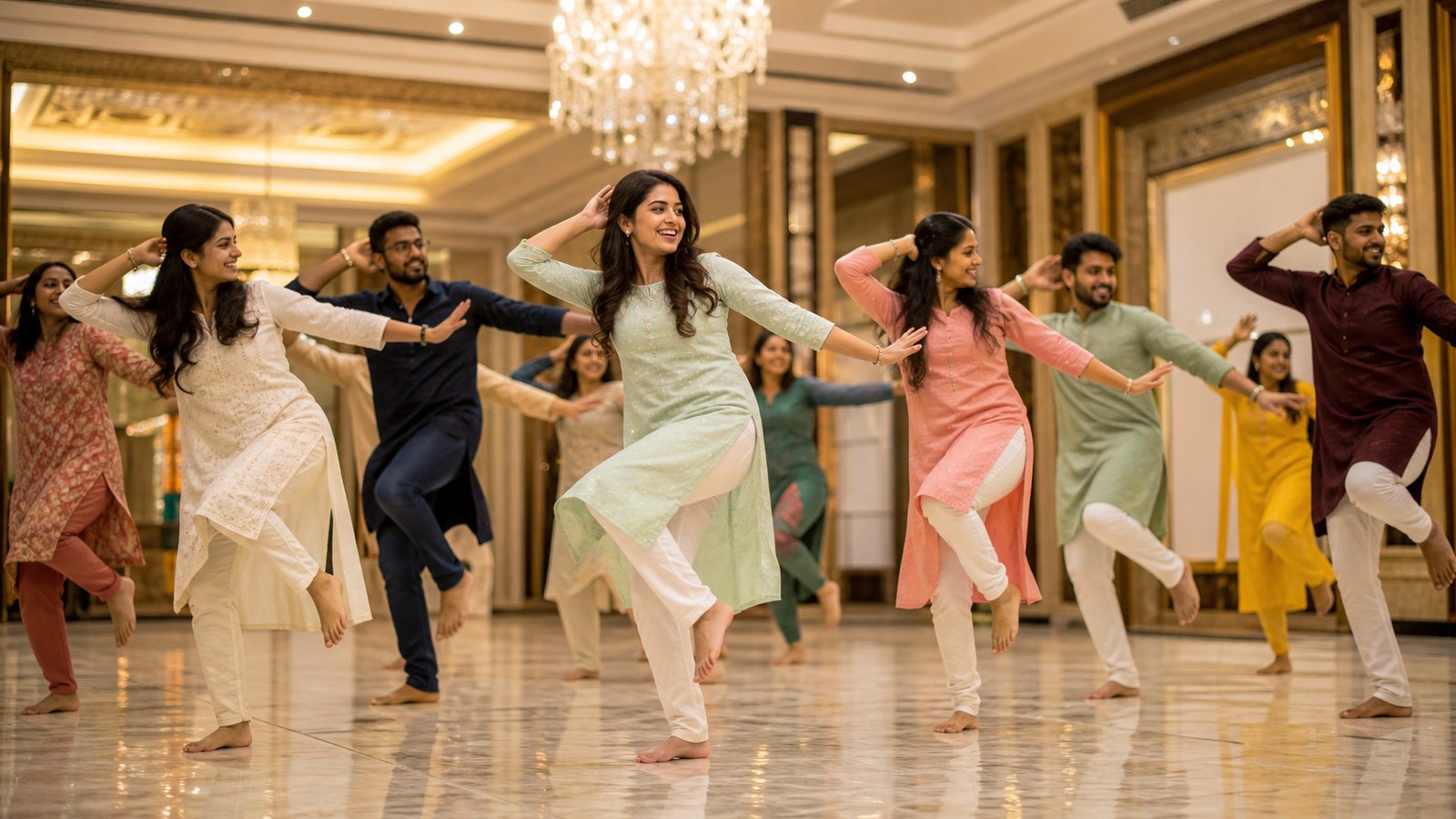
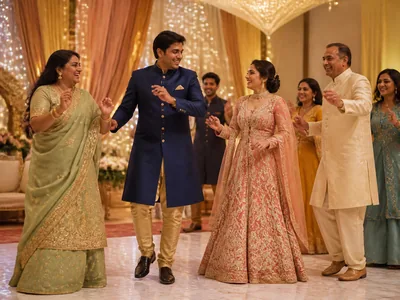
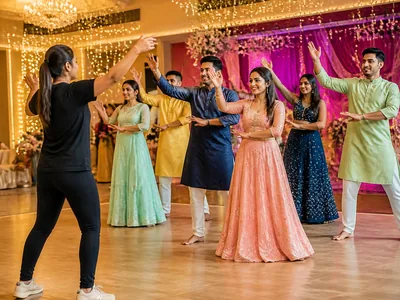
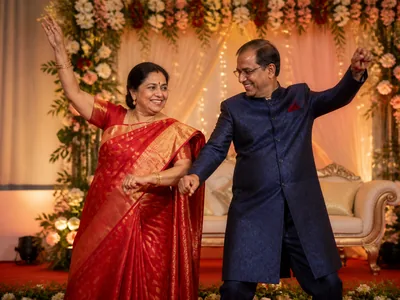
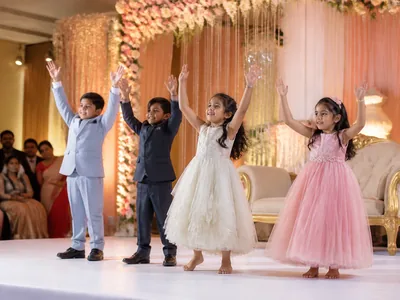
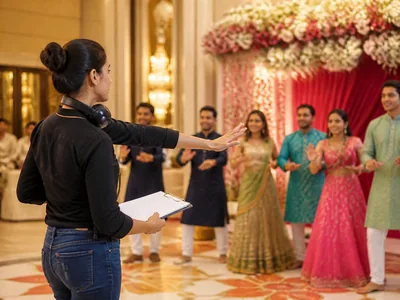
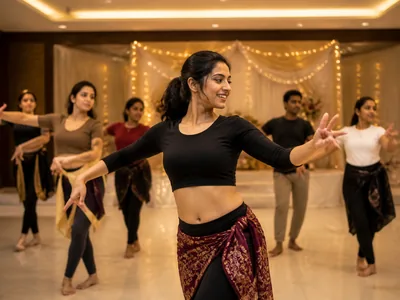
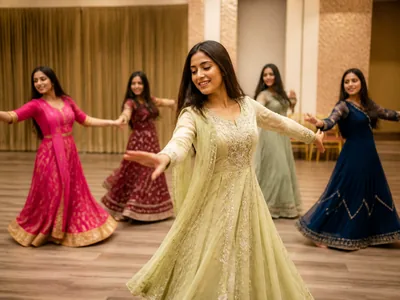
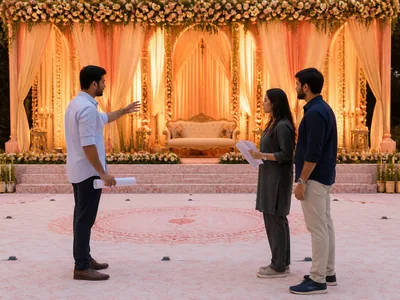
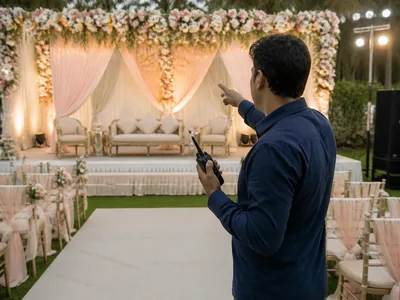
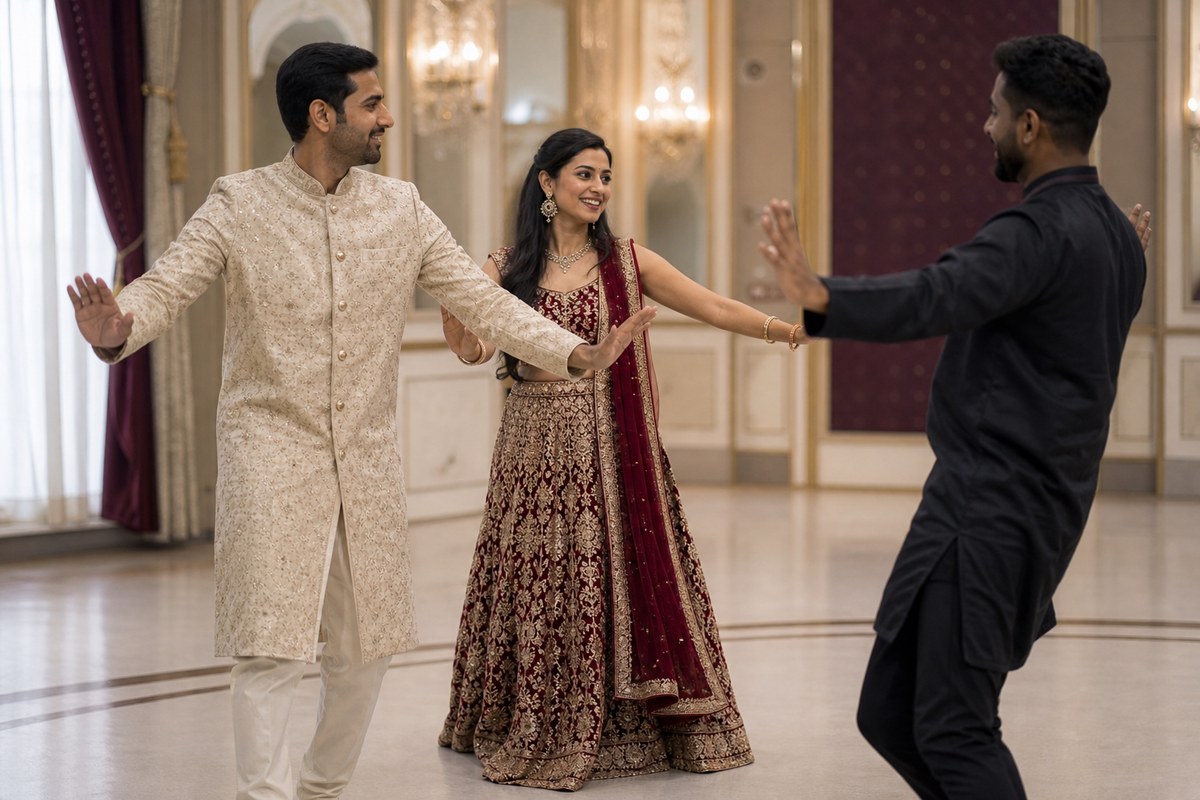
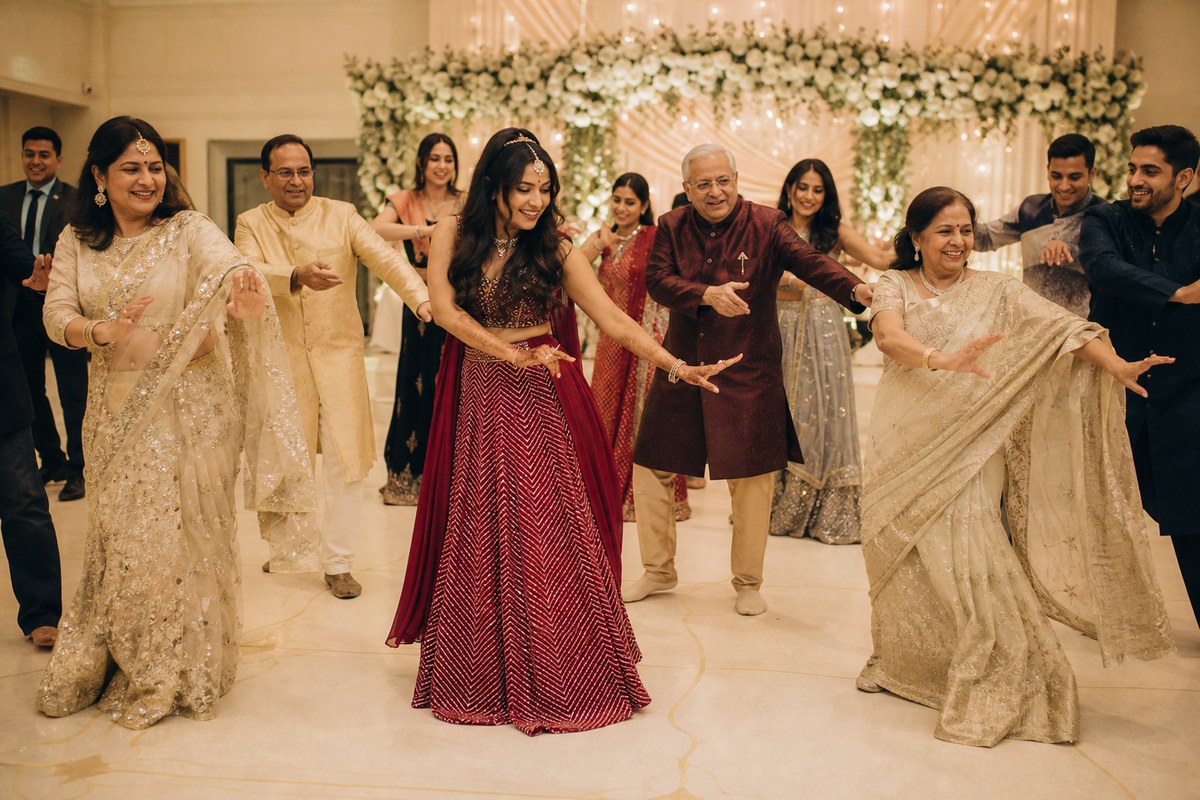
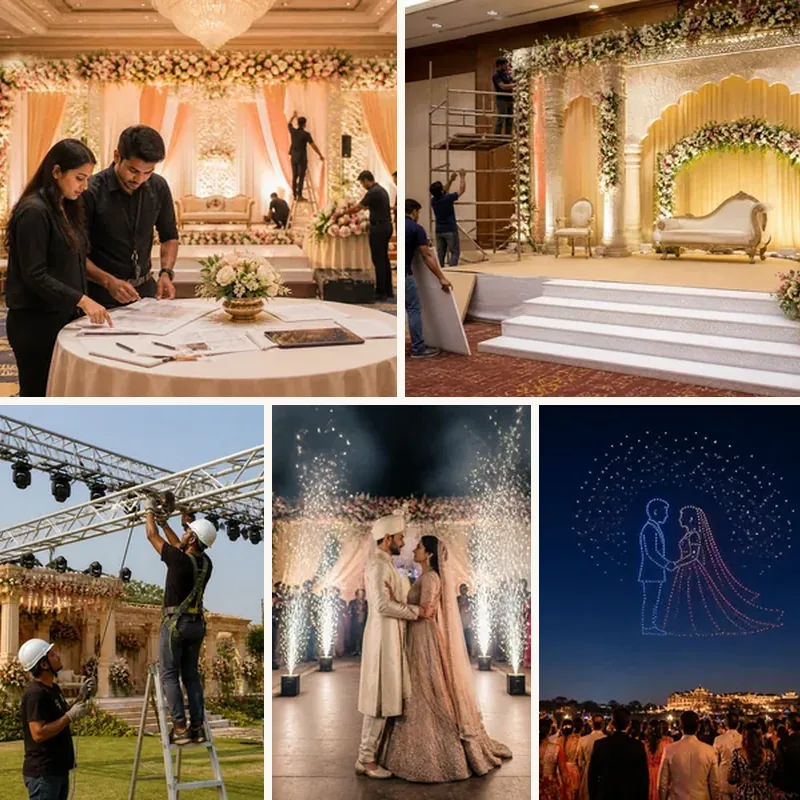
This part of the wedding choreography plan focuses on questions families ask about wedding choreography with service-specific decisions rather than a generic wedding checklist. The team should connect song selection and edit lengths, performer grouping and ability and rehearsal calendar to the actual functions, venue conditions, family approvals and master timeline. Where another vendor depends on the same information, the approved version should be shared through the central planning file so décor, hospitality, catering, photography, entertainment or production are not working from different assumptions. The planner should also record what the venue or specialist supplier controls, what remains optional, and which change would affect budget or setup timing. A final review should confirm music edits final before late rehearsals and formations fit stage dimensions, then identify the named person responsible for event-day handover or contingency action.
What should be included in a wedding choreography brief?
A useful brief defines the functions, venue conditions, timings, quantities and ownership required for this service. For wedding choreography, typical scope can include Couple, family, friends, bridesmaid and groom-squad performances; sangeet choreography, rehearsals, stage blocking and performance direction. The final brief should distinguish inclusions, exclusions, venue-provided items and decisions still pending so suppliers price and execute the same requirement. A serious wedding file should turn this point into an executable instruction. Add a timing, responsible person, dependency and confirmation status, then identify the fallback where the preferred option could fail because of venue access, weather, availability or another operational constraint. Optional enhancements should remain separate from committed essentials so late creative choices do not silently become production obligations. The purpose is not to make planning bureaucratic; it is to ensure that the couple, family and vendors are making decisions from the same current information when the celebration moves from planning meetings into live execution.
Which decisions should be frozen early for wedding choreography?
Freeze the decisions that other teams depend on first. For this service those include song selection and edit lengths, performer grouping and ability, rehearsal calendar, and formations and stage blocking. Changes can still be made later, but the planner should record their effect on suppliers, schedule, budget and guest experience rather than treating them as isolated messages. The planner should test this item from the family, guest and supplier perspectives before treating it as complete. If a venue, specialist supplier or responsible authority controls part of the requirement, that confirmation should come from the appropriate source rather than assumption. The approved version should then reach every team whose timing, quantities, equipment or guest communication depends on it. This is especially important on multi-day weddings, where a small revision can affect transport, setup, rehearsals, meal service or photography on another function. Clear ownership and change control protect both the experience and the budget.
How does wedding choreography connect with other wedding teams?
Wedding Choreography can affect or depend on other workstreams. The planner should map hand-offs with venue management, hospitality, production, photography, catering, transport or ceremony teams wherever relevant, then include those dependencies in the master timeline and run-of-show. The planner should test this item from the family, guest and supplier perspectives before treating it as complete. If a venue, specialist supplier or responsible authority controls part of the requirement, that confirmation should come from the appropriate source rather than assumption. The approved version should then reach every team whose timing, quantities, equipment or guest communication depends on it. This is especially important on multi-day weddings, where a small revision can affect transport, setup, rehearsals, meal service or photography on another function. Clear ownership and change control protect both the experience and the budget.
What changes the quotation for wedding choreography?
The quotation can change with number of performances, performer count, rehearsal frequency, music editing, props/costumes, and on-site technical rehearsal. Because these factors vary by wedding, the website does not publish an invented fixed package. Comparable quotations should use matched scope and clearly show equipment, staff, setup, travel, taxes or other inclusions where applicable. A serious wedding file should turn this point into an executable instruction. Add a timing, responsible person, dependency and confirmation status, then identify the fallback where the preferred option could fail because of venue access, weather, availability or another operational constraint. Optional enhancements should remain separate from committed essentials so late creative choices do not silently become production obligations. The purpose is not to make planning bureaucratic; it is to ensure that the couple, family and vendors are making decisions from the same current information when the celebration moves from planning meetings into live execution.
When should wedding choreography be reviewed before event day?
Review should happen before the service becomes difficult or expensive to change, then again near execution. The final check should verify music edits final before late rehearsals, formations fit stage dimensions, entry/exit routes stay safe, and sound and lighting cues labelled and confirm that the latest approved information has reached the teams who must act on it. A serious wedding file should turn this point into an executable instruction. Add a timing, responsible person, dependency and confirmation status, then identify the fallback where the preferred option could fail because of venue access, weather, availability or another operational constraint. Optional enhancements should remain separate from committed essentials so late creative choices do not silently become production obligations. The purpose is not to make planning bureaucratic; it is to ensure that the couple, family and vendors are making decisions from the same current information when the celebration moves from planning meetings into live execution.