
Wedding planning · Delhi
Wedding Planner in Chanakyapuri, Delhi
Plan a wedding in Chanakyapuri through one connected brief for venue, guests, décor, hospitality, production, suppliers and event-day execution. The planning approach is locality-aware without inventing a local branch, fixed package or one-size-fits-all venue assumption.
Central & diplomatic Delhi · serviceability confirmed through the Delhi NCR coverage model
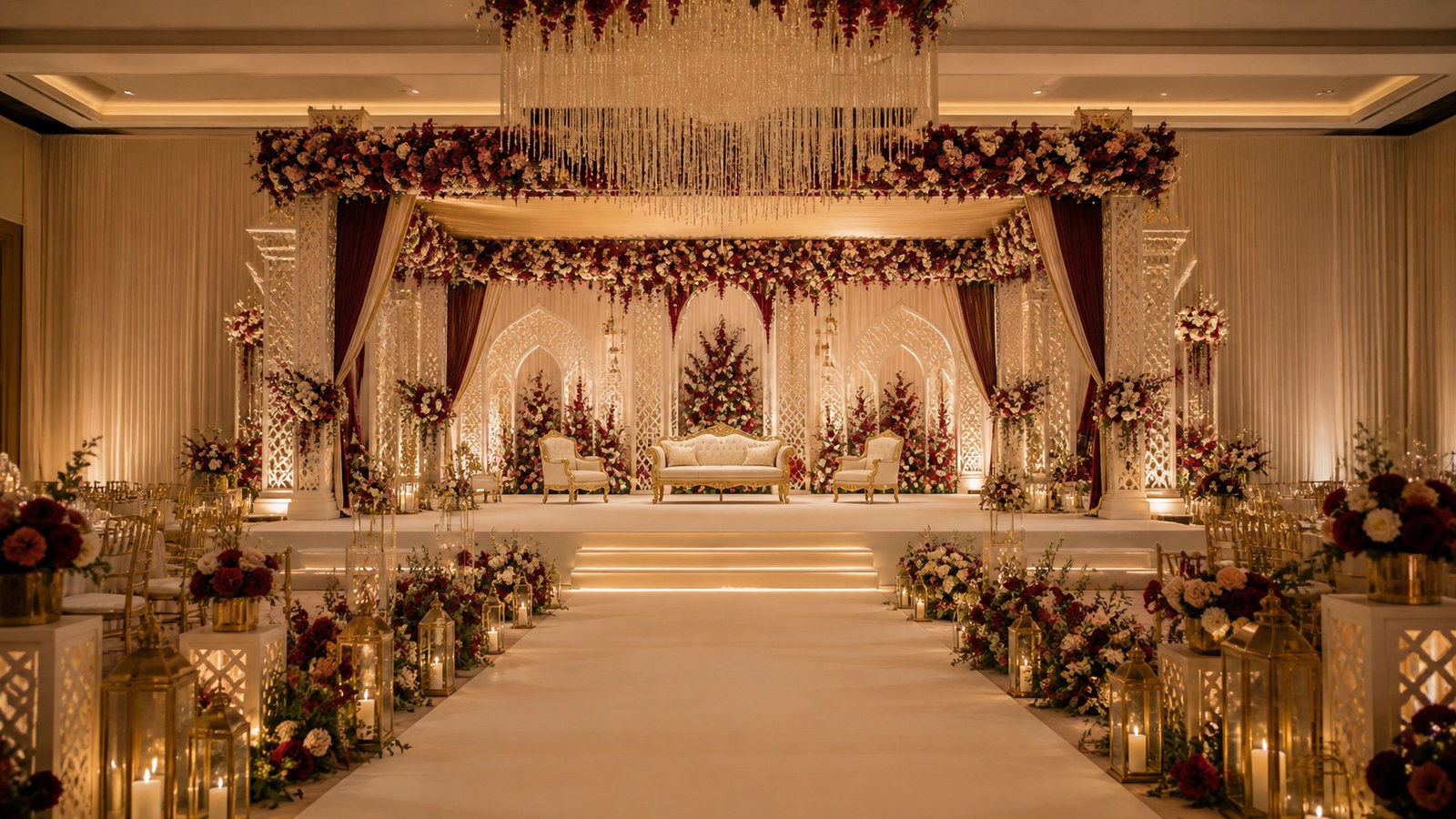
Local planning lens · Central & diplomatic Delhi
Make the venue and guest map the first local planning document for Delhi
Chanakyapuri becomes meaningful to wedding planning only after it is connected to a real venue, residence, hotel plan and guest itinerary. The area sits within the Delhi service market and is grouped here under the broader South Delhi network planning network. Instead of publishing invented statistics or claiming local project experience, this page highlights a decision families can test: multi-day asset reset and overnight production work. The actual requirement should be confirmed against the venue, date, guest count and event format. Once those facts are known, the planner can decide how early suppliers arrive, where guests are directed, how family call-times are communicated and whether other Delhi NCR movements need buffer time. This evidence-first approach makes the locality page useful without turning it into a doorway page built only from the neighbourhood name.

Creative direction
Design the atmosphere and the installation plan together
Creative direction for a Chanakyapuri celebration should begin with the couple’s story and the function sequence, then be tested against the actual venue. Build a visual system—palette, floral language, materials, typography, lighting mood and stage/mandap vocabulary—that can adapt across events without making every function identical. The planner should place multi-day asset reset and overnight production work beside the mood board as an operational constraint to verify. This keeps design connected to guest circulation, installation timing, photography angles and production access. Residential, hotel, banquet and outdoor settings can demand very different fabrication and sound approaches even when the creative concept is the same, so no locality page should assume a venue type. The final design pack should show both what guests are meant to feel and what suppliers need to build, deliver or cue.
Event-day operations
Turn decisions into calls, cues, handovers and fallbacks
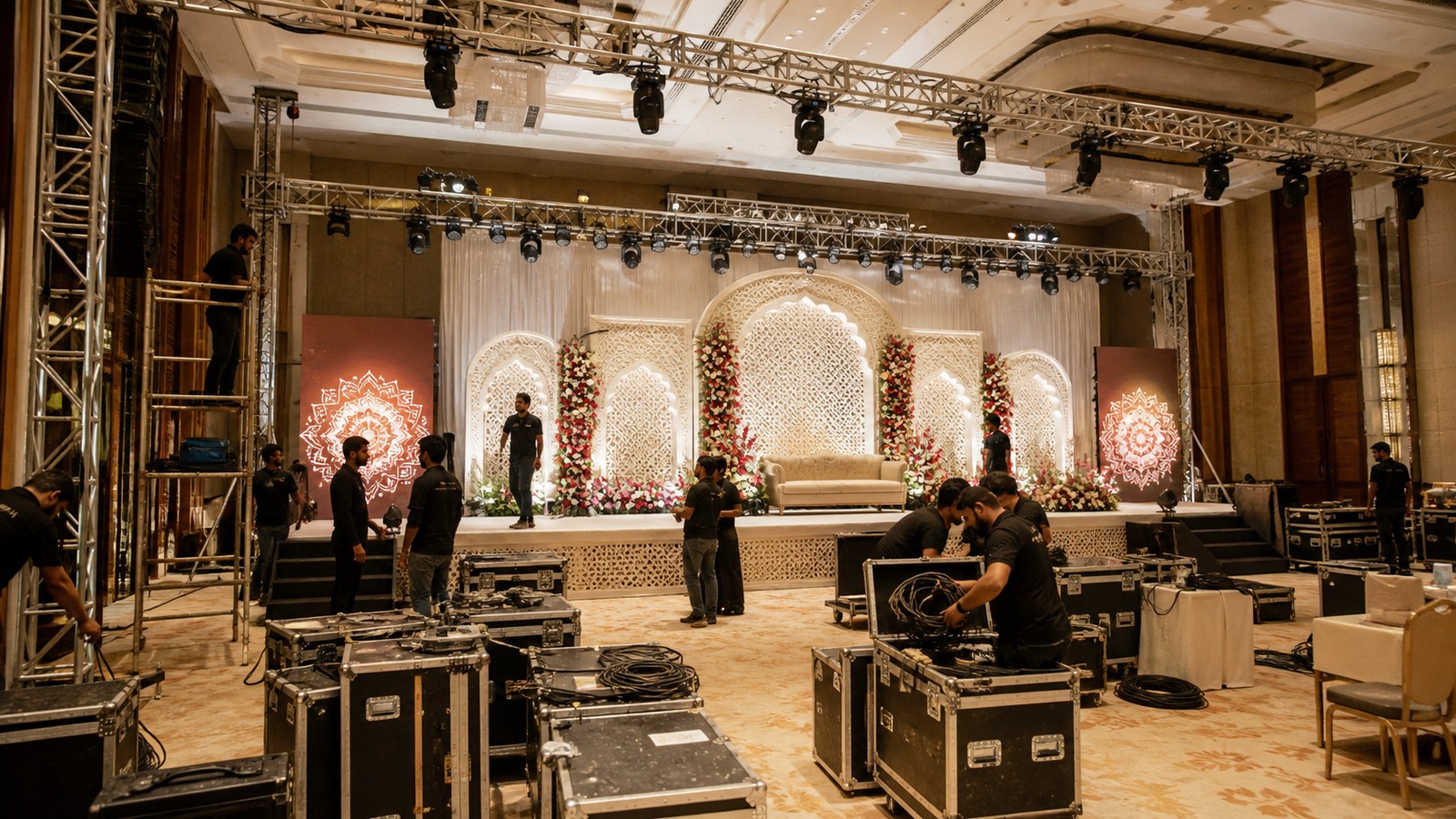
Operational planning for Chanakyapuri becomes credible when someone can answer three questions at any time: what should be happening now, who owns it, and what happens if it is late or unavailable? The final file should include supplier call-times, venue access, family call-times, guest transport, ceremony or performance cues, technical checks, food service, security contacts and strike/handover responsibilities. This locality version emphasizes multi-day asset reset and overnight production work. That focus is deliberately different from the neighboring page so the network offers more than name substitutions. The venue remains responsible for its own rules and specialist teams remain responsible for professional technical or safety approvals; the wedding planner’s task is to connect those responsibilities into a schedule that the entire event can follow.
Explore the Delhi planning network
Compare adjoining planning pages when the wedding spans more than one area
Use the locality network as a planning map. The current page covers Chanakyapuri; nearby navigation points include Sunder Nagar and New Friends Colony, while the Delhi hub brings all 30 requested premium or established areas together. A couple comparing several venues can use those pages to keep each address attached to the same planning questions: guest movement, supplier access, venue rules, production feasibility and quotation inputs. The network intentionally reuses shared service imagery rather than pretending to show real projects in every locality. If a future verified project, review or photograph supplied by the business is verified for a specific area, it can be added with provenance; until then, local trust must come from truthful serviceability and useful planning information rather than fabricated evidence.
Family-flow planning
Write the locality brief before the vendor WhatsApp groups multiply
For Chanakyapuri, write the wedding brief as an operating document rather than a mood-board summary. Record what must happen, where it happens, who approves it, who supplies it and by what date the next team needs the answer. The brief should also test multi-day asset reset and overnight production work, because small logistics can become major event-day bottlenecks when they are not assigned early. Separate confirmed facts from preferences: confirmed venue timings and guest counts should not sit in the same status as inspiration images or optional entertainment ideas. This distinction protects both creativity and budget. It lets the planner tell vendors which items can be priced now, which require a site visit or tasting, and which should wait. The final brief becomes the foundation for timelines, call sheets, hospitality communication and the family’s decision tracker.
Quotation logic
Compare wedding proposals on matched scope, not headline price
For a Chanakyapuri enquiry, the budget discussion should make assumptions explicit: dates, venue, functions, guest numbers, suppliers already booked and the level of coordination expected. Then test multi-day asset reset and overnight production work as one possible complexity factor. The team can separate committed cost from forecast cost, compare vendor quotations on matched deliverables and label optional enhancements before they become emotional last-minute decisions. Venue-provided inclusions should not be paid for twice, while items that require specialist equipment, additional labour or extended setup time should not be hidden. A transparent planning model does not guarantee the lowest wedding cost; it helps the family understand what is driving cost and where a change would affect experience, risk or execution.
Guest journey
Make guest movement part of planning, not an afterthought
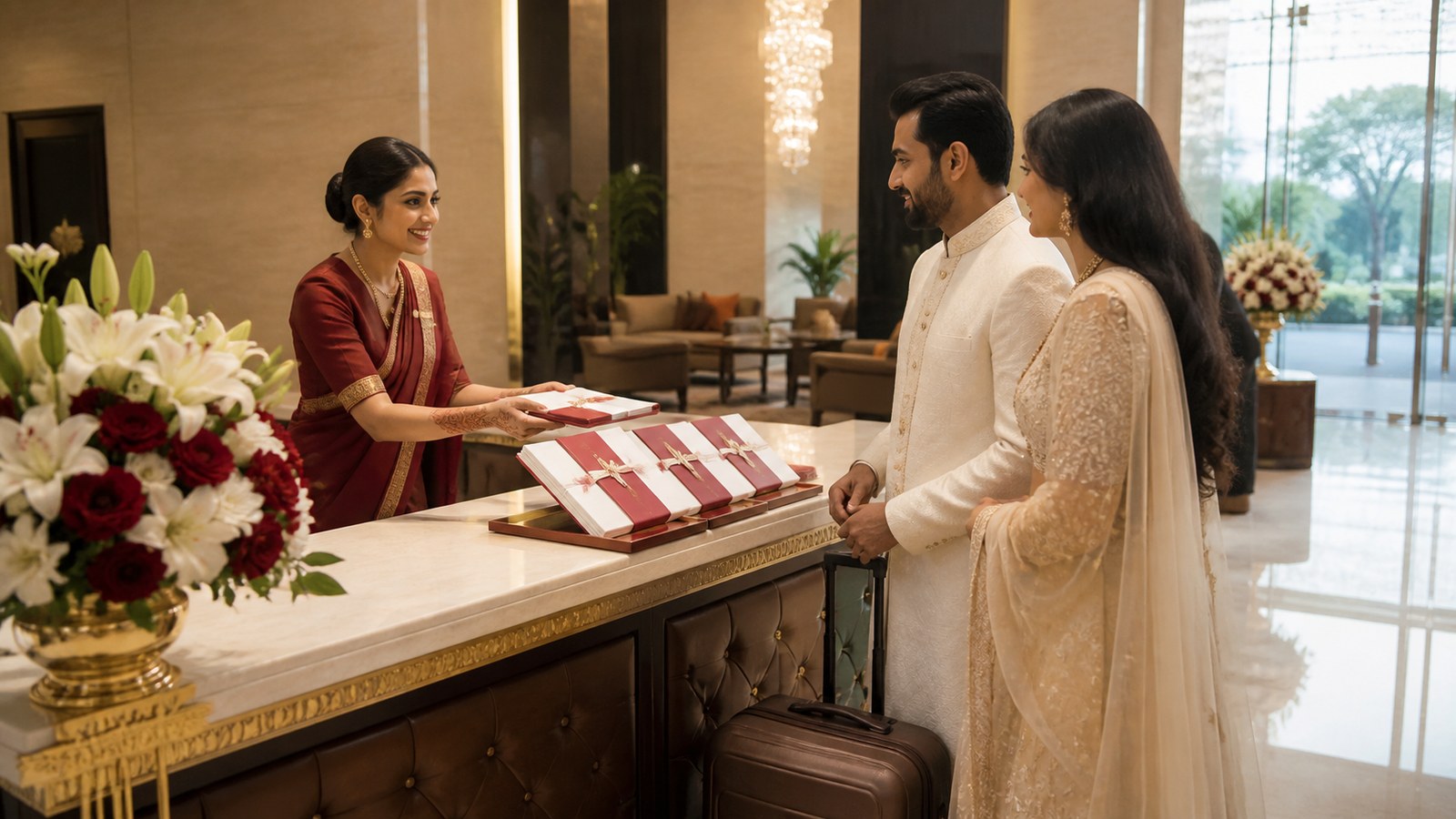
Hospitality for a Chanakyapuri wedding should be designed as a sequence of handovers: invitation to RSVP, arrival to welcome, room or home base to function, one function to the next, and final celebration to departure. A family member may know these transitions instinctively, but guests and vendors need them documented. This page asks the planner to examine multi-day asset reset and overnight production work as a specific point where confusion could appear. If it is relevant, give it an owner and a fallback; if it is not, close it early. The guest plan should also distinguish VIP, elderly, child and special-assistance needs without exposing personal data more widely than necessary. When hospitality, transport and event timing share one source of truth, the wedding feels calmer even though the operational work behind it may be complex.
Enquiry
Tell us what you are planning
Share the essentials first. We use a Submission ID so your WhatsApp confirmation can be matched to the form record.
- No package price is assumed before scope is understood.
- Destination requests outside Delhi, Gurugram, Noida and Faridabad are confirmed individually before scope is committed.
- After submission, WhatsApp opens so you can confirm the enquiry directly.